
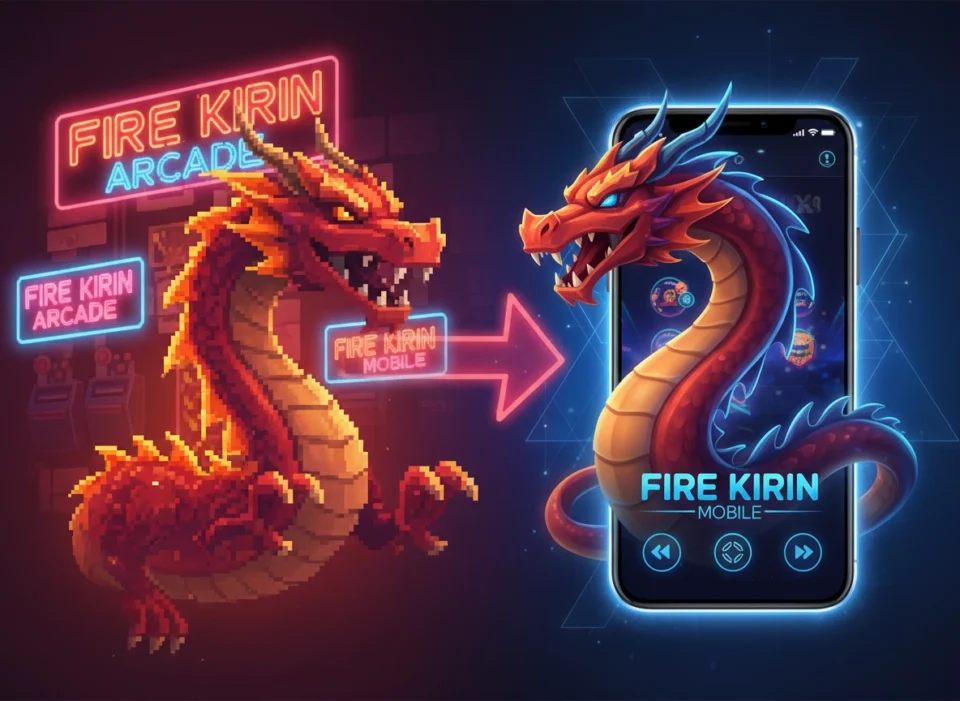
The bright flashing lights and rhythmic coin drops of traditional arcade halls once defined the gaming experience. You had to physically visit a venue to enjoy the thrill of competitive multiplayer games. But over the last decade, gaming habits have shifted dramatically. Developers realized they needed to bring the arcade directly to the players.
The journey of Fire Kirin perfectly captures this massive shift in the gaming industry. Originally known as a staple fish-shooting game hosted on massive physical cabinets, Fire Kirin now lives comfortably in the pockets of millions of players worldwide.
This article explores how Fire Kirin successfully transformed from a localized arcade cabinet into a thriving mobile app. We will look at the technological leaps that made this transition possible, the profound impact on user experience, and what this evolution means for the future of the gaming industry.
The Arcade Origins of Fish Table Games
To understand the modern success of Fire Kirin, we must look at its roots. Fish table games began as prominent fixtures in arcades and entertainment centers. These massive, multi-player physical tables featured a large horizontal screen surrounded by joysticks and heavy-duty buttons. Up to eight players could stand around a single cabinet, firing virtual nets and cannons at colorful sea creatures swimming across the screen.
The Birth of Fire Kirin
Fire Kirin quickly became one of the most recognizable titles in this genre. The game required a mix of hand-eye coordination, quick reflexes, and strategic thinking. Players had to decide which targets to prioritize based on the point values attached to different creatures. The physical environment created an intensely competitive atmosphere.
Players stood shoulder-to-shoulder, watching their competitors’ moves and competing for the highest payouts. The tactile feedback of the joysticks and the immediate, shared excitement of the crowd made the arcade version a highly social experience. However, this physical format came with strict limitations. Players could only enjoy the game during business hours, and arcade operators faced high maintenance costs for the physical hardware.
The Digital Shift: Moving to Mobile
As smartphones became ubiquitous, the limitations of physical arcades grew more apparent. Players wanted the freedom to play their favorite games on their own schedules. Recognizing this demand, the developers behind Fire Kirin initiated a comprehensive digital pivot.
Transferring a chaotic, multiplayer arcade game to a mobile environment is a complex process. The developers could not simply copy and paste the code. They needed to completely reimagine the user interface for a smaller screen without losing the frantic, engaging gameplay that made the original title so popular.
Overcoming Hardware Limitations
Early mobile devices struggled with processing heavy graphics and maintaining synchronized multiplayer sessions. The development team had to optimize the game engine to ensure that hundreds of colorful fish, bullet trajectories, and explosion effects could render smoothly on screens of all sizes. They effectively condensed a massive arcade cabinet into a lightweight application that functions seamlessly on both iOS and Android platforms.
Technological Advancements Driving the Change
The successful evolution of Fire Kirin relied on several major technological breakthroughs. Without these advancements, the mobile app would have felt like a cheap imitation of the arcade classic rather than a fully realized successor.
Seamless Cross-Platform Play
One of the most significant achievements was the integration of cross-platform cloud servers. In the arcade days, your competition was limited to whoever was standing in the room with you. Today, the mobile app utilizes robust cloud infrastructure to connect players from across the globe in real-time.
High-speed internet and low-latency servers ensure that when a player taps their screen to fire a cannon, the action registers instantly for everyone in the virtual room. This synchronization is crucial for competitive games where split-second timing determines the winner.
Enhanced Graphics and UI Overhauls
Touchscreens demanded a completely new approach to controls. Developers replaced bulky joysticks with intuitive tap-and-drag mechanics. Players can now lock onto targets with a simple tap, making the gameplay more accessible to newcomers while retaining a high skill ceiling for veterans.
Furthermore, advancements in mobile rendering engines allowed developers to upgrade the visual fidelity. The sea creatures in the mobile app feature high-definition textures, fluid animations, and particle effects that surpass the graphical capabilities of older physical cabinets. The app utilizes adaptive scaling, ensuring that the game looks crisp and vibrant whether you play on a five-inch smartphone or a twelve-inch tablet.
Impact on User Experience
The transition from a physical table to a mobile application completely revolutionized the way players interact with Fire Kirin. The user experience shifted from a localized, event-based activity to a continuous, integrated part of daily life.
Accessibility and Convenience
Convenience stands out as the most obvious benefit of this evolution. You no longer need to find a specialized arcade or carry around a pocket full of tokens. Fire Kirin is available anytime and anywhere, provided you have a stable internet connection. Players can jump into a quick five-minute session during their daily commute or settle in for an hour-long tournament from the comfort of their living rooms.
This accessibility drastically widened the game’s demographic reach. People who would never step foot inside a traditional arcade are now active participants in the mobile ecosystem. The introduction of daily login rewards, in-app purchases, and progressive jackpots keeps players engaged over long periods.
Social Integration and Community
While the app removed the physical proximity of players, it introduced new digital ways to connect. The Fire Kirin mobile platform includes built-in chat functions, global leaderboards, and the ability to form guilds or alliances.
Players can easily invite their friends to private rooms, recreating the social dynamics of the arcade table in a digital space. These social features foster a strong sense of community, encouraging players to return daily to check their rankings and interact with their peers.
Broader Implications for the Gaming Industry
The successful migration of Fire Kirin from physical hardware to a mobile app serves as a blueprint for the wider gaming industry. It proves that incredibly niche, hardware-dependent games can find massive success in the mobile marketplace if developers focus on user experience and technical optimization.
Paving the Way for Niche Adaptations
Historically, many developers believed that certain arcade genres could not survive on mobile devices. Games that relied heavily on tactile controls or specialized hardware were often left behind. The evolution of Fire Kirin dismantles that assumption.
We are now seeing a surge of traditional arcade and casino-style games making the leap to mobile platforms. Developers are investing heavily in translating complex physical interactions into intuitive touch controls. As mobile hardware continues to improve, we can expect even more complex arcade titles to migrate to our smartphones, further blurring the lines between physical and digital entertainment.
Additionally, this transition highlights the growing importance of live-ops in mobile gaming. By constantly updating the app with new fish, seasonal events, and varied weapon types, the developers keep the content fresh. This continuous development cycle ensures the game remains profitable and relevant long after a player’s initial download.
Conclusion
The evolution of Fire Kirin is a testament to the adaptability of the gaming industry. By transforming a massive arcade cabinet into a sleek, globally connected mobile app, developers breathed new life into a classic genre. They leveraged advancements in cloud computing, touchscreen interfaces, and mobile graphics to create an experience that rivals, and in many ways surpasses, the original physical game.
This journey from physical to digital highlights a fundamental shift in how we consume entertainment. Convenience, connectivity, and continuous updates now drive the gaming market.
If you want to understand where mobile gaming is heading next, look at how classic arcade titles continue to adapt. Take a moment to explore the mechanics of modern mobile adaptations to see how far the technology has come. The arcade may no longer be a physical destination, but its spirit thrives within the devices we carry every day.
Please visit website for more info.
