
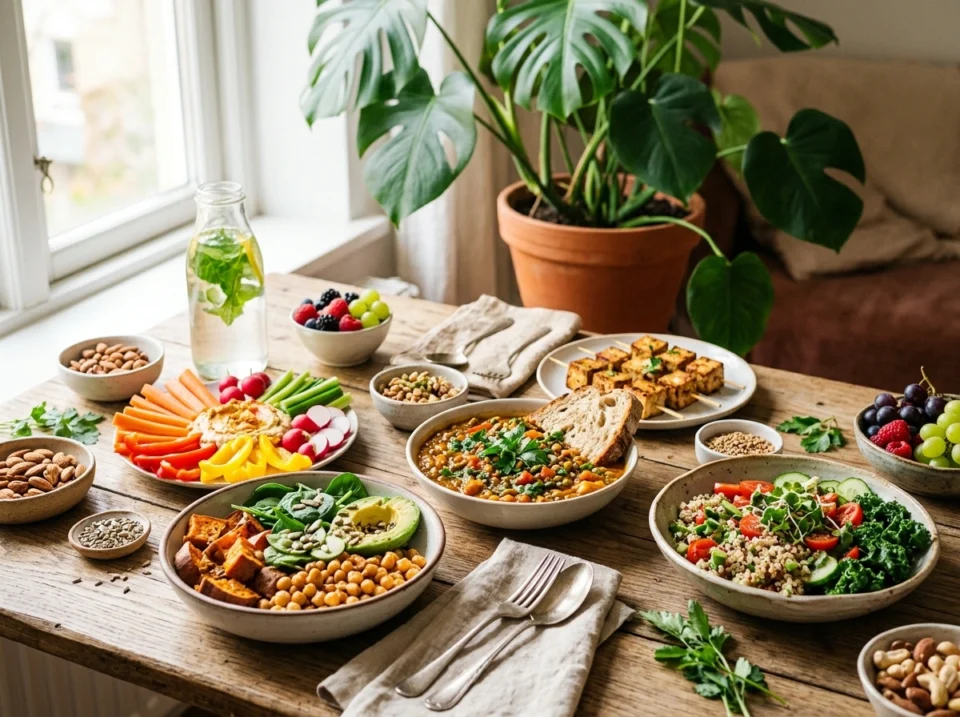
Food is no longer just about taste and convenience. More people now ask where their meals come from, how they affect the planet, and whether their choices reflect their values. This shift has put plant-based dining at the center of a growing movement, and platforms like veganovtrichy play a key role in making sustainable eating both accessible and appealing.
In this article, you’ll learn:
- What sustainable food habits really mean
- How vegan-friendly dining supports the environment
- Practical ways to make mindful food choices
- How community-level efforts drive lasting change
What Are Sustainable Food Habits?
Sustainable food habits focus on choices that nourish people without depleting the planet’s resources. They balance personal health, environmental care, and ethical responsibility.
These habits include buying local produce, cutting food waste, choosing plant-based meals, and supporting businesses that respect both animals and the earth. The goal is simple: eat well today without harming tomorrow.
Why It Matters
The way we eat shapes the future of our planet. Food production accounts for roughly a quarter of global greenhouse gas emissions, and animal agriculture takes a large share of that.
When you adjust your eating patterns, you directly influence water use, land use, and carbon output. Small daily decisions add up to meaningful impact over time.
How Vegan-Friendly Dining Reduces Environmental Impact
Plant-based eating is one of the most effective ways to lower your environmental footprint. It uses fewer resources and produces far less pollution than meat-heavy diets.
Lower Carbon and Water Use
Producing plant-based foods generally requires less land and water than raising livestock. For example, a plant-based meal can use a fraction of the water needed for a beef-based dish.
By choosing vegan options more often, you help cut the demand that drives deforestation, water scarcity, and emissions. This is where platforms such as veganovtrichy become valuable—they make it easier to find and enjoy these options without sacrificing flavor.
Less Food Waste
Vegan-focused kitchens often emphasize whole ingredients and creative use of produce. Vegetable peels, stems, and leftovers can become soups, stocks, or snacks instead of trash.
This mindset reduces waste at every stage, from kitchen prep to the dinner plate.
Encouraging Mindful Consumption
Mindful eating means paying attention to what, why, and how you eat. It moves you away from automatic habits and toward intentional choices.
Awareness Drives Better Decisions
When you understand the impact of your meals, you naturally make smarter choices. Awareness turns abstract concerns about climate into concrete daily actions.
Resources that share recipes, dining guides, and ethical eating tips help people connect knowledge with practice. Education is often the first step toward change.
A Simple Mindful Eating Checklist
Try these habits to build mindful consumption:
- Plan meals ahead to avoid impulse buying
- Choose seasonal, local ingredients when possible
- Read labels and learn what’s in your food
- Cook at home more often to control portions and waste
- Try one new plant-based meal each week
These small steps make sustainable eating feel manageable rather than overwhelming.
Mid-Article Summary
So far, we’ve seen that sustainable food habits combine health, ethics, and environmental care. Vegan-friendly dining lowers emissions and waste, while awareness and mindful choices turn good intentions into action. Next, let’s look at how communities amplify these benefits.
Supporting Community-Level Change
Individual choices matter, but real transformation happens when communities act together. Shared values and local support systems make sustainable habits stick.
Building Local Food Networks
When local businesses prioritize plant-based and ethical options, they strengthen the entire community. They support nearby farmers, reduce transport emissions, and create jobs rooted in sustainability.
A platform that highlights vegan-friendly spots helps connect like-minded people. It builds a network where customers, cooks, and producers all push toward the same goal.
Creating a Culture of Awareness
Change spreads through example. When friends, families, and neighbors adopt sustainable habits, others follow.
Community events, workshops, and shared recipes turn solo efforts into collective momentum. This cultural shift makes ethical eating the norm rather than the exception.
A Real-World Scenario: From Habit to Change
Consider someone who eats out several times a week but worries about their impact.
Before: They default to familiar, meat-heavy meals out of habit. They feel uncertain about plant-based options and assume vegan food is bland or hard to find.
After: Using a local dining guide, they discover nearby restaurants with appealing vegan dishes. They start with one plant-based meal a week, then expand as they enjoy the variety.
Within a few months, their grocery habits shift too. They waste less food, support local vendors, and feel good about their choices. One small change sparked a lasting lifestyle.
This is the kind of practical transformation that accessible resources help create.
Common Mistakes and How to Fix Them
Even well-meaning eaters slip up. Here are frequent errors and simple solutions.
- Mistake: Trying to change everything at once.
Fix: Start small with one meal or one habit per week. - Mistake: Assuming sustainable food is expensive.
Fix: Focus on affordable staples like beans, lentils, grains, and seasonal produce. - Mistake: Ignoring food waste.
Fix: Plan meals, store food properly, and repurpose leftovers. - Mistake: Believing plant-based meals lack flavor.
Fix: Explore diverse recipes and local restaurants that prove otherwise.
Avoiding these traps keeps your progress steady and enjoyable.
Best Practices for Lasting Sustainable Eating
To build habits that endure, keep these tips in mind:
- Set realistic goals. Aim for progress, not perfection.
- Diversify your plate. Variety keeps meals interesting and nutritious.
- Support ethical businesses. Spend where values align with yours.
- Stay curious. Keep learning about food, farming, and the environment.
- Share your journey. Encourage others to join you.
Consistency, not intensity, creates real change over time.
Conclusion
Sustainable food habits don’t require drastic sacrifice. They grow from small, mindful choices that protect the planet while nourishing your body. Vegan-friendly dining lowers emissions, cuts waste, and supports ethical communities, and accessible resources make these choices easier to embrace.
Ready to take the next step? Try this now:
- Pick one plant-based meal to enjoy this week
- Explore a local vegan-friendly option in your area
Every mindful bite moves you—and your community—toward a healthier, more sustainable future.
