
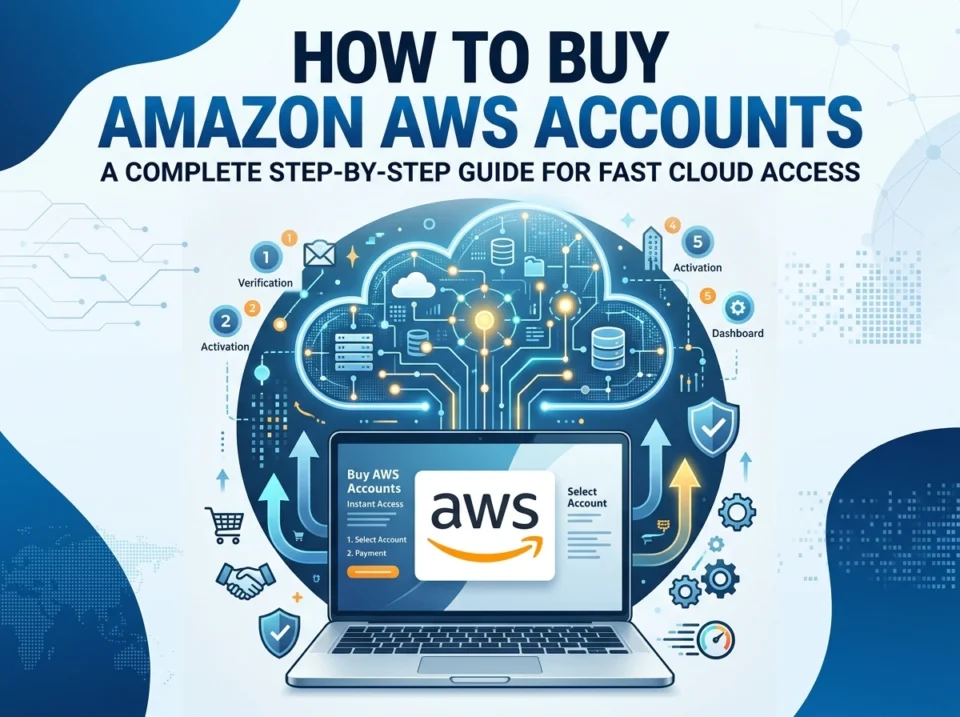
Amazon Web Services (AWS) stands as the undisputed titan of the cloud computing industry, powering everything from nimble startups to massive Fortune 500 enterprises. With an expansive suite of tools ranging from basic virtual servers to advanced machine learning environments, AWS provides the foundational infrastructure required to build, deploy, and scale modern applications. However, acquiring an account is not always a frictionless experience. In this comprehensive guide, we will explore the landscape of cloud infrastructure, detail why purchasing an established account is often the smartest route, and provide a clear framework on how to do it safely. By the end of this article, you will know exactly how to bypass setup hurdles and instantly access the cloud computing power your business needs to thrive.
Introduction to Amazon AWS Accounts
An Amazon AWS account is your gateway to the world’s most comprehensive and broadly adopted cloud platform. Through this single portal, users gain access to over 200 fully featured services from data centers globally. Whether you are looking to host a simple static website using Amazon S3, run complex database queries via Amazon RDS, or deploy scalable compute capacity with Amazon EC2, it all starts with securing a functional, verified AWS account.
For many developers and organizations, the standard account creation process involves navigating a labyrinth of identity verification steps, linking valid credit cards, and enduring potential waiting periods. While this system is designed to maintain platform security, it can be a significant bottleneck for professionals who require immediate access to cloud environments to meet tight project deadlines or launch critical applications.
Why You Might Need to Buy an AWS Account
The decision to purchase an established cloud environment rather than creating one from scratch is driven by several practical challenges inherent to the standard signup process. When you are operating in a fast-paced technological landscape, time is a luxury you cannot afford to waste.
First, the standard verification process can be notoriously strict. Amazon frequently employs automated systems that reject credit cards from certain regions or flag new accounts for manual review. This can leave developers stuck in a frustrating loop of submitting identification documents and waiting days or even weeks for approval.
Second, many businesses require multiple accounts to separate client workloads, manage different billing departments, or isolate development environments from production servers. Creating these in bulk manually is tedious and often triggers security flags.
Finally, purchasing an account allows you to bypass regional restrictions and access specialized accounts that are already aged or pre-loaded with high vCPU limits and promotional credits. For startups and marketing agencies, skipping the red tape means you can begin your development, testing, and deployment immediately.
Benefits of Using AWS for Your Business
Leveraging Amazon Web Services offers transformative advantages for businesses of all sizes, making it the premier choice for modern digital infrastructure.
Unmatched Scalability and Flexibility: AWS allows you to scale your resources up or down dynamically based on real-time traffic demands. If your e-commerce application experiences a sudden spike in users, auto-scaling ensures your servers can handle the load without crashing. Conversely, during off-peak hours, you can scale down to minimize operational costs.
Enterprise-Grade Security: When you operate on AWS, you inherit the security protocols of a platform built to satisfy the requirements of the most security-sensitive organizations. With features like Identity and Access Management (IAM), robust encryption standards, and comprehensive compliance certifications, your sensitive data remains protected against emerging digital threats.
Massive Compute Power and Cost Efficiency: AWS provides access to immense computing capabilities without the need to invest in expensive physical hardware. Furthermore, by opting for pre-packaged cloud solutions, businesses can achieve incredible cost efficiency. For example, accounts loaded with promotional credits allow startups to utilize premium services—such as advanced AI models and large-scale data analytics—at a fraction of the standard retail price.
Step-by-Step Guide on How to Buy Amazon AWS Accounts
Acquiring your cloud infrastructure through a trusted vendor requires careful planning and execution. Follow these steps to ensure a smooth and secure transaction.
Step 1: Assess Your Specific Resource Needs
Before browsing available options, outline exactly what your project demands. Are you looking to run a simple testing environment, or do you need a powerful setup with 256 or 512 vCPU limits for enterprise-grade research? Additionally, determine if you require an account pre-loaded with cloud credits (ranging from $1k to $100k) to offset your monthly infrastructure costs.
Step 2: Choose a Trusted Provider
The market for digital assets is vast, making it crucial to select a vendor with a proven track record. Look for providers that offer clean IP histories, rigorous verification processes, and transparent pricing models. To ensure you receive a stable, ready-to-use environment with a reliable replacement guarantee, you can Buy Amazon Aws Accounts from trusted industry leaders who specialize in premium cloud assets.
Step 3: Select Your Account Tier
Navigate your chosen vendor’s catalog and select the account that aligns with your operational goals. If you are a student, a standard free-tier account may suffice. If you are launching a SaaS product, an aged account with high vCPU limits and $10k in promotional credits will provide the stability and financial runway necessary for a successful launch.
Step 4: Complete a Secure Checkout
Once you have selected the appropriate tier, proceed to the checkout phase. Ensure the vendor utilizes secure, encrypted payment gateways. Many reputable providers offer flexible payment methods, including major credit cards and cryptocurrency, allowing you to choose the option that best fits your privacy and financial preferences.
Step 5: Receive and Secure Your Credentials
Upon successful payment, the vendor will deliver your login credentials—typically including the root email address, password, and recovery information. The delivery process is usually automated and instant, allowing you to log in and begin provisioning your EC2 instances and S3 buckets right away.
Key Considerations and Safety Tips
While purchasing an established AWS profile streamlines your deployment process, it is vital to practice good digital hygiene to maintain the long-term health of your infrastructure.
Always prioritize vendors that offer a comprehensive replacement guarantee. In the rare event that an account experiences login issues or an initial suspension, a reputable seller will replace the asset immediately, absorbing the financial risk on your behalf.
Upon receiving your account credentials, immediately update the root password and change the recovery email address to one that only you control. Activate Multi-Factor Authentication (MFA) on the root account to provide an impenetrable layer of security against unauthorized access.
Furthermore, avoid spinning up massive resource loads within the first few hours of logging in. Allow the account to acclimatize to your operational location by starting with smaller tasks, thereby avoiding automated security triggers designed to detect erratic behavior.
Conclusion
Navigating the complexities of cloud infrastructure should not hinder your ability to innovate and scale. By bypassing the tedious verification loops and stringent limitations of the standard signup process, you empower your team to focus entirely on building superior digital products. Utilizing an established, verified AWS profile grants you immediate access to industry-leading compute power, robust security frameworks, and critical cost-saving credits. Take control of your development pipeline today, secure the exact cloud resources your projects demand, and position your business for uninterrupted growth in the digital economy.
